
Video Laryngoscope: Advancing Airway Management in Modern Healthcare
Airway management is one of the most critical responsibilities in emergency medicine, anesthesia, and intensive care. Over the years, technological innovation has significantly improved the safety and accuracy of intubation procedures. Among these advancements, the Video Laryngoscope has emerged as a transformative tool that enhances visualization of the airway and improves patient outcomes across various clinical settings.
Understanding Airway Visualization Challenges
Traditional direct laryngoscopy requires precise alignment of oral, pharyngeal, and tracheal axes to visualize the vocal cords. This technique can be challenging, particularly in patients with difficult airways, limited neck mobility, obesity, trauma, or anatomical abnormalities. Poor visibility may lead to repeated intubation attempts, increasing the risk of hypoxia, dental injury, and airway trauma.
To overcome these limitations, modern airway devices focus on indirect visualization. This shift has allowed clinicians to intubate more efficiently while reducing complications, even in complex scenarios.
What Is a Video Laryngoscope?
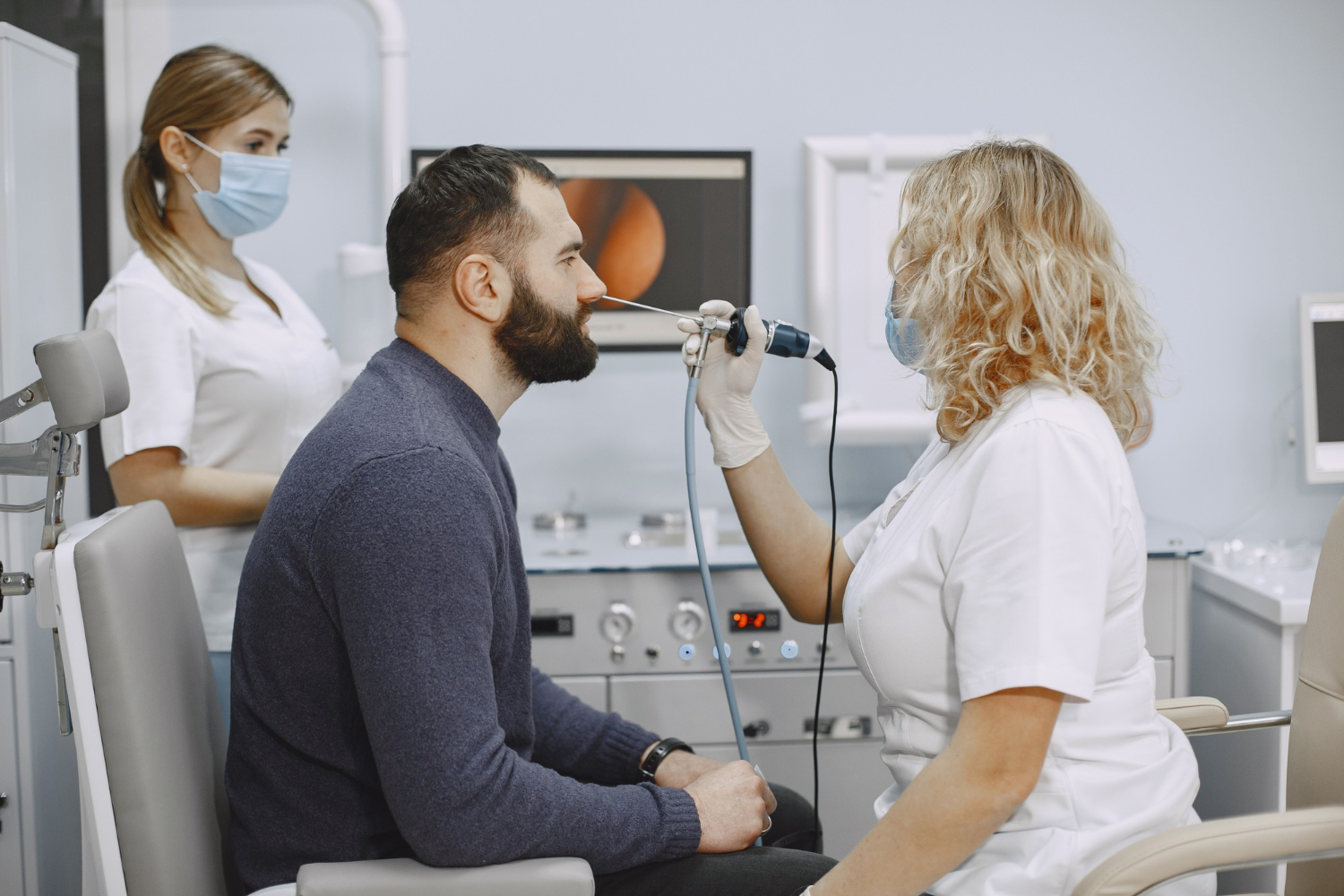
A Video Laryngoscope is an advanced airway device equipped with a miniature camera and light source at the blade tip. Instead of relying on direct line-of-sight, the clinician views the laryngeal structures on a screen, providing a clear and magnified image of the airway. This indirect approach offers superior visualization, making intubation safer and more predictable.
These devices are commonly used in operating rooms, emergency departments, intensive care units, and pre-hospital environments. Their design allows both experienced anesthesiologists and trainees to perform intubation with greater confidence.
Key Benefits in Clinical Practice
One of the most notable advantages of the Video Laryngoscope is improved first-pass success rates. Clear visualization of the vocal cords reduces the need for multiple attempts, which is especially important in critically ill patients where time and oxygenation are crucial.
Another benefit is enhanced patient safety. Reduced force during intubation minimizes soft tissue damage and dental injuries. Additionally, better visualization helps avoid esophageal intubation, a potentially life-threatening error.
From a training perspective, these devices allow supervisors to view the same image as the trainee, enabling real-time guidance and feedback. This shared visualization significantly improves learning outcomes and procedural skill development.
Applications Across Medical Specialties
The Video Laryngoscope is widely used in anesthesia for routine and difficult intubations. In emergency medicine, it plays a vital role during rapid sequence intubation and trauma cases where airway control must be achieved quickly and safely.
Intensive care units benefit from its use in patients with limited physiological reserves, where minimizing intubation time is essential. The device is also increasingly utilized in neonatal and pediatric care, where anatomical considerations demand precise visualization.
Pre-hospital and military medicine have adopted portable versions, allowing paramedics and field clinicians to manage airways effectively in challenging environments.
Device Design and Variations
Modern Video Laryngoscope systems come in various designs, including reusable and disposable blades, different blade shapes, and integrated or external monitors. Some models are optimized for difficult airways, while others are designed for routine use.
High-definition cameras, anti-fog technology, and ergonomic handles enhance usability. Disposable blades help reduce infection risk, making them suitable for high-volume clinical settings. Wireless and battery-operated models further increase portability and convenience.
Improving Outcomes in Difficult Airway Management
Difficult airway scenarios are among the most stressful situations for healthcare professionals. The Video Laryngoscope significantly improves success rates in such cases by offering a clear view even when anatomical alignment is not ideal.
Studies have shown reduced intubation time and fewer complications when video-assisted techniques are used. This is particularly beneficial for patients with cervical spine injuries, where neck movement must be minimized, or in cases of airway edema and limited mouth opening.
Role in Infection Control and Safety
In recent years, infection control has become a major concern in airway management. The Video Laryngoscope allows clinicians to maintain a greater distance from the patient’s airway compared to direct laryngoscopy. This reduces exposure to aerosols and respiratory secretions, enhancing clinician safety.
Disposable components and easy-to-clean surfaces further support strict hygiene protocols, making these devices suitable for use during infectious disease outbreaks.
Cost Efficiency and Long-Term Value
While the initial investment in a Video Laryngoscope may be higher than traditional tools, the long-term benefits often justify the cost. Improved first-pass success, reduced complications, and shorter procedure times contribute to overall cost savings.
Hospitals also benefit from reduced training time and improved staff confidence. The durability and versatility of modern devices ensure reliable performance across a wide range of clinical applications.
Future Trends in Airway Technology
The evolution of the Video Laryngoscope continues as manufacturers integrate artificial intelligence, image enhancement, and data recording features. These innovations aim to further improve visualization, documentation, and training.
As technology advances, video-assisted airway management is expected to become the standard of care in many clinical environments. Ongoing research and development will likely expand its applications and accessibility worldwide.
Conclusion
The Video Laryngoscope represents a significant advancement in airway management, offering improved visualization, enhanced safety, and better clinical outcomes. Its versatility across specialties, combined with its role in training and infection control, makes it an essential tool in modern healthcare. As adoption continues to grow, this technology will remain at the forefront of safe and effective airway management practices.
More Services